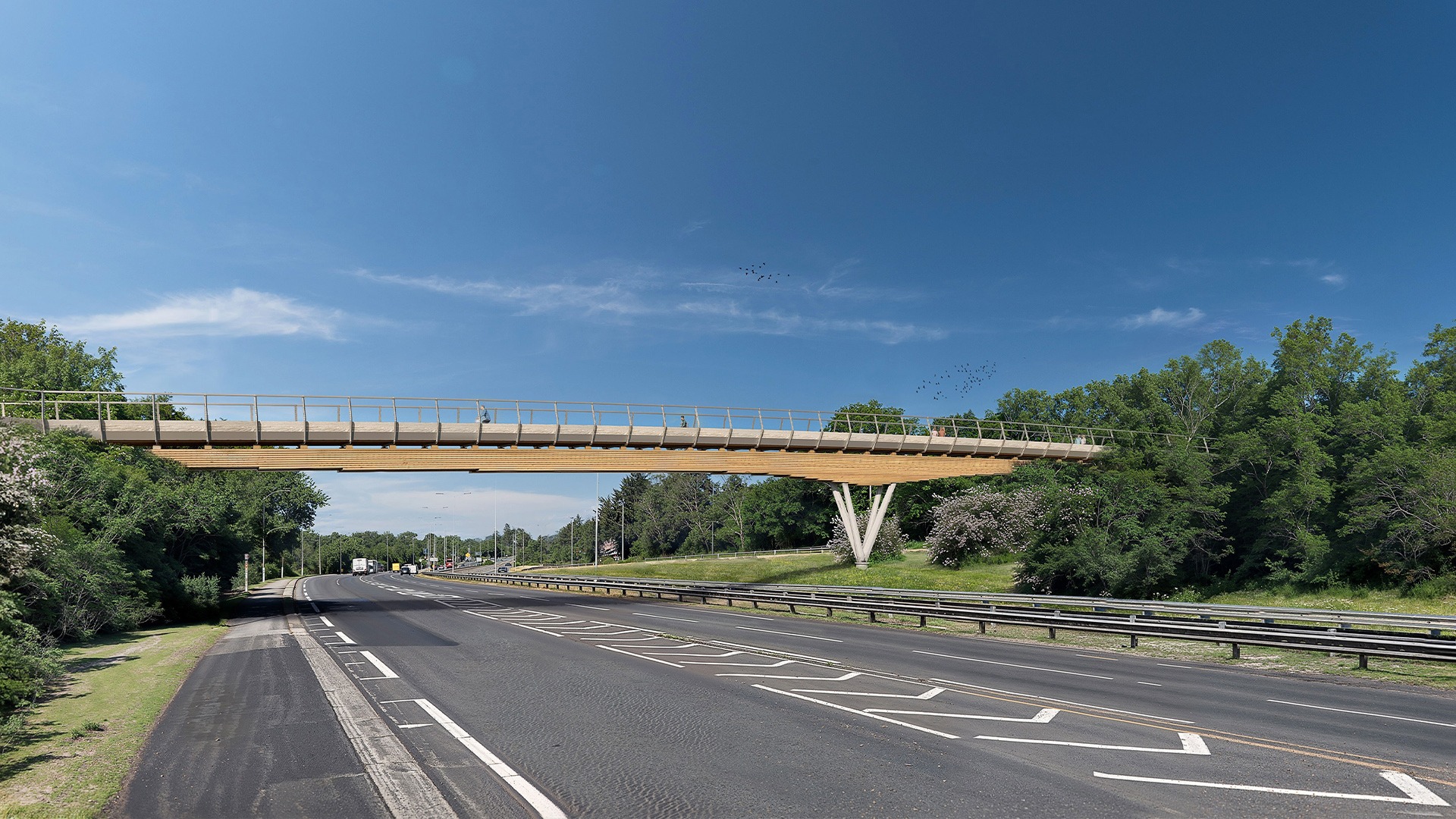
The Lower Thames Crossing, a new road linking Kent and Essex, is one of Britain’s leading economic infrastructure projects. It will drive growth by tackling congestion at the Dartford Crossing and providing a new reliable link between the ports of the south-east, the Midlands and the North. The project includes 14.3 miles of new road and Britain’s longest road tunnel, a 2.6-mile twin-bore tunnel beneath the River Thames.
Designed to be Britain’s greenest road, the Lower Thames Crossing has taken a new approach to road design and building by cutting construction carbon and restoring nature. The project will create six times more green space than road, including one million new trees, a new community woodland, two new public parks, and seven green bridges that will blend the road into the landscape and connect local communities to the countryside.
Images released by the Lower Thames Crossing project highlight how putting low-carbon construction and nature at the heart of its design is shaping the look and feel of the new road.
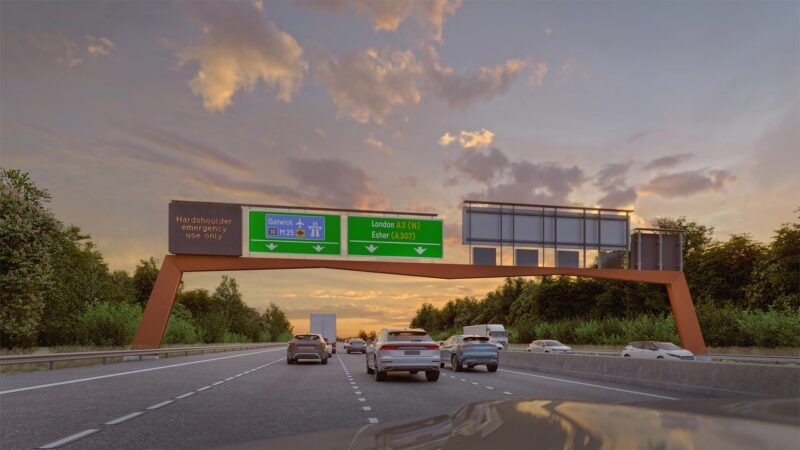
New slimline gantry design using less steel and concrete, helping reduce carbon and visual impact along the route, as this concept image shows – Designed by Useful Studio
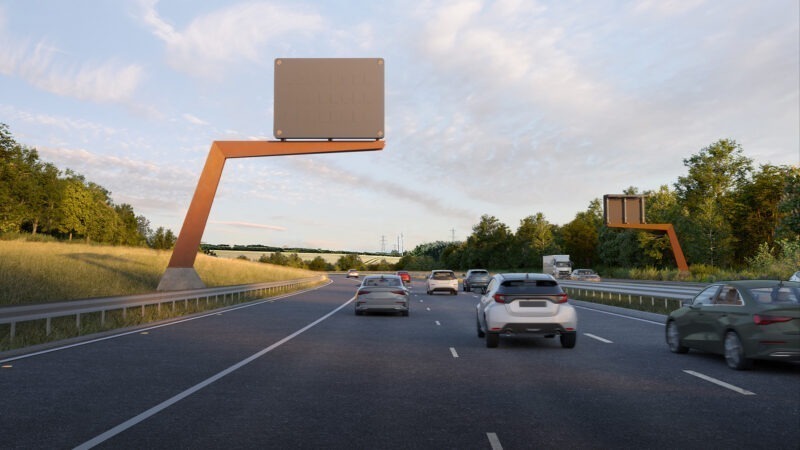
New slimline gantry design using less steel and concrete, helping reduce carbon and visual impact along the route, as this concept image shows – Designed by Useful Studio
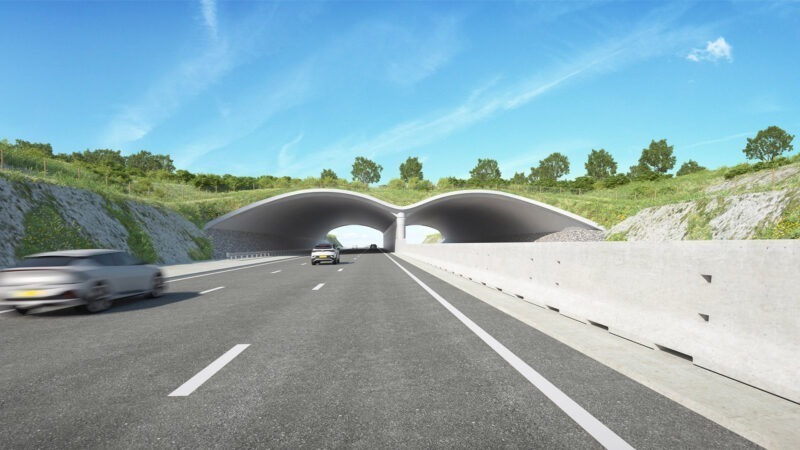
A pre-fabricated bridge, built offsite – a low-carbon, faster, and less disruptive way to build – Image credit: Fereday Pollard
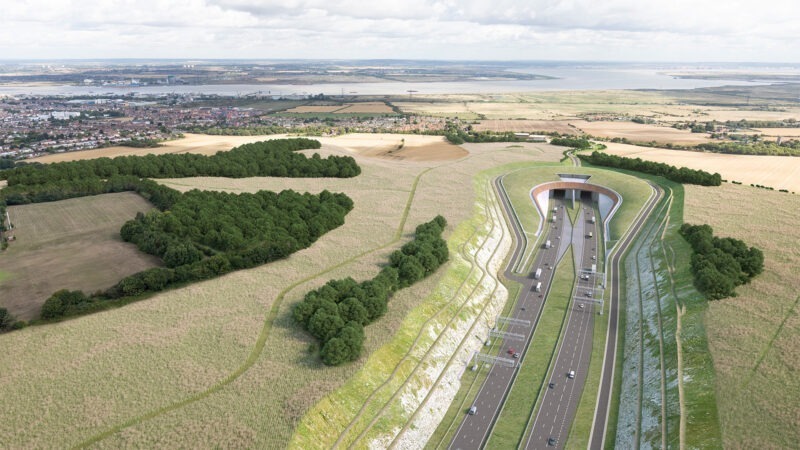
80% of the road is hidden in tunnels or behind landscaped mounds to protect views and reduce impact

One of seven green bridges planned for the project, including Europe’s widest, helping wildlife and people stay connected across natural habitats – Image credit: Fereday Pollard
Some of the innovations being explored are:
- Low carbon footbridge – a new standard of footbridge design that eliminates the need for concrete and minimises the use of steel, thereby reducing carbon emissions. These innovative bridges could be used on roads right across the country to create safer, greener crossings.
- Green bridges – Seven new green bridges – more than doubling the number currently in Britain – including Europe’s widest, will connect existing and new habitats. These crossings will make it easier and safer for both people and wildlife to move through green spaces.
- Pre-fabricated bridges – built in an offsite facility using low-carbon methods, these bridges are quicker and easier to install on site. This approach will reduce disruption to local communities, traffic and the environment.
- 80% of the route – Most of the route will be in a tunnel or hidden behind landscaped embankments and mounds, helping it blend into the countryside and green spaces.
- Gantries – an innovative, low-impact design uses less steel and concrete to reduce the visual impact and cut carbon, while maintaining strength and durability, helping build a more sustainable Lower Thames Crossing and could be used across Britain’s road network.