
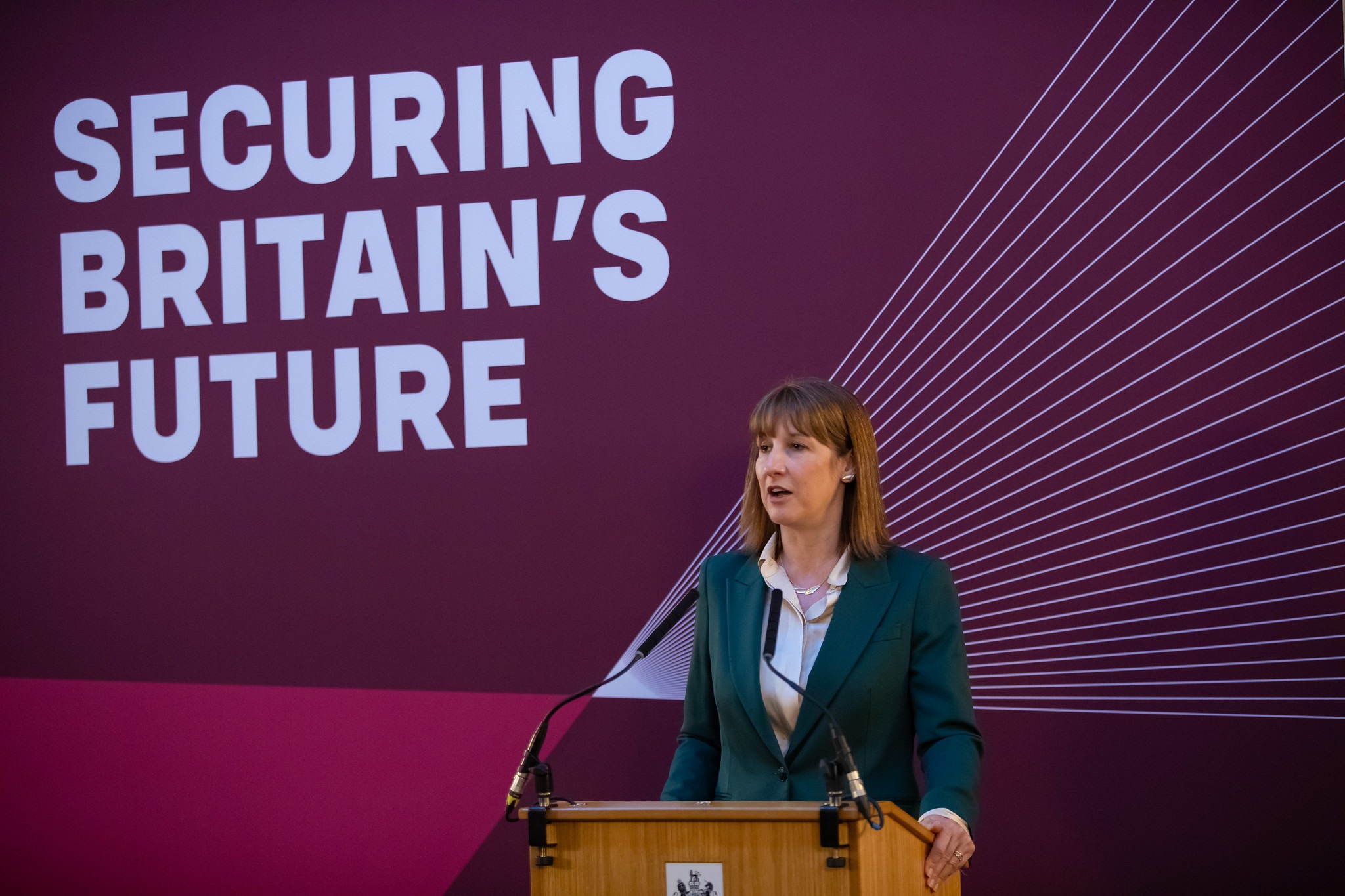
The UK Government has launched its modern Industrial Strategy, a 10-year plan aimed at driving long-term economic growth through targeted support for high-potential regional sectors. A large element of this strategy is a renewed emphasis on transforming the built environment, with construction playing a critical role in enabling investment, productivity and sustainable development.
The strategy outlines support for eight priority sectors – known as the IS-8 – including advanced manufacturing, clean energy, digital technologies and foundational industries such as construction.
For the construction sector, the strategy signals a significant opportunity. The Government has committed to tackling longstanding barriers such as high industrial electricity costs, slow planning processes and fragmented infrastructure investment. Fast-tracking planning for major projects, modernising procurement and promoting offsite manufacturing are among the interventions designed to stimulate growth.
The construction industry stands to benefit directly from major infrastructure commitments, including £600m for a Strategic Sites Accelerator and support for critical regional corridors such as the Oxford-Cambridge Arc and Northern Powerhouse growth corridor. Further investment in skills and technology training – particularly in engineering and digital construction – will also aim to strengthen workforce capacity.
Additionally, the strategy promises regulatory reform to encourage innovation, including a 25% reduction in administrative costs and clearer routes to market for new technologies and construction methods. With support from the British Business Bank, UK Export Finance and the National Wealth Fund, the Government aims to de-risk private investment and scale up high-growth businesses within the sector.
All actions will be tracked through measurable outcomes such as Gross Value Added (GVA), employment, productivity and the emergence of new, large UK-based businesses. The Industrial Strategy Advisory Council will oversee delivery and accountability.
One element of the Modern Industrial Strategy is the plan to increase investment and growth in advanced manufacturing.
The plan outlines a bold ambition to nearly double annual business investment in the sector from £21bn to £39bn by 2035. Central to the strategy is a drive to position the UK as the premier global destination for advanced manufacturing investment, innovation and job creation, with construction identified as a key beneficiary.
The plan recognises construction as a foundational industrial strategy growth sector, set to benefit from targeted measures aimed at increasing resilience and competitiveness. These include access to competitive electricity pricing, supply chain diversification and enhanced export finance support.
Construction will also see gains from the Government’s £4.3bn investment in innovation and automation, including £2.8bn in R&D funding over the next five years. SMEs in the sector stand to benefit from the expanded Made Smarter Adoption programme, with up to £99m allocated to support uptake of advanced technologies.
A major emphasis is also placed on workforce development. A new recruitment and workforce transition pilot, coupled with reskilling and shorter-duration apprenticeships, aims to equip the construction sector with a digitally literate and inclusive talent base. The Government has set a target of 35% female representation in the wider advanced manufacturing workforce by 2035.
The plan highlights the role of regional manufacturing clusters, including those linked to construction, with direct investments such as £160m over 10 years for each Advanced Manufacturing Investment Zone. Collaboration with local authorities aims to drive innovation in areas like electric vehicle infrastructure and offsite construction hubs, with pilot initiatives being considered in the North East and West Midlands.
Spending Review
Earlier in June, the UK Government set out its Spending Review, which provided a comprehensive multi-year investment programme aimed at strengthening Britain’s economy, public services and national security, with significant implications for the construction sector.
Covering departmental budgets to 2028-29 and capital investment through to 2029-30, the spending review confirms real-terms growth in spending of 2.3% over the review period. Crucially for the built environment, the review reaffirms the government’s ambition to deliver 1.5m new homes and commits £625m over four years to train up to 60,000 skilled construction workers, addressing longstanding labour shortages and supporting the delivery of major housing and infrastructure targets.
The new funding forms part of a wider £1.2bn annual investment in post-16 education and skills by 2028-29, including measures to support an additional 65,000 learners per year. These policies aim to tackle economic inactivity and raise employment across all regions of the UK.
The review also supports construction indirectly through investment in national priorities including energy security, NHS infrastructure and policing, each expected to generate additional demand for construction services and skilled labour.
The spending review builds on fiscal reforms introduced at the 2024 Budget and aligns with the government’s broader “Plan for Change”, which prioritises growth, reform and efficiency. Further detail on long-term skills and education plans will follow later in the year with the release of a dedicated post-16 strategy.
To read the full strategy, head to www.gov.uk/government/collections/the-uks-modern-industrial-strategy-2025


